For Thai music lovers searching for a dreamy, ethereal soundscape to escape the chaos of reality, look no further than Shye—a bedroom-pop and shoegaze artist/producer straight out of Singapore!
She is back with her latest album, The Doves Came Home, a record that beautifully blends the hazy vibes of dream-pop, alternative rock, and shoegaze. Wrapped in deep nostalgia and a profound sense of emotional healing, Shye lets us in on a little secret: the album is heavily inspired by 90s guitar bands. On top of that, the cinematic visuals in her music videos evoke the melancholic, bittersweet mood of the indie cult classic All About Lily Chou-Chou. Listening to this album feels just like watching a coming-of-age film—one that takes you on a journey through human imperfection and the path to embracing your truest self.
The Noize Magazine caught up with Shye for an intimate, heart-to-heart chat. We dive into everything from her early days making music in her bedroom and her experience handling every single step of production on her own, to her fierce perspective on preserving human touch in the age of AI.
If you’re ready, immerse yourself in our exclusive interview!

The Noize Magazine: For Thai listeners who might be new to your music, could you please introduce yourself and your journey in music to get here?
Shye: Hi, I’m Shye, a Singaporean artist, producer, songwriter and engineer. I started making music in my bedroom as a teenager and taught myself how to produce by watching videos online. I’ve always been drawn to dreamy, atmospheric music that feels nostalgic and emotional, so naturally my sound evolved from bedroom-pop / indie-pop into something between dream-pop, alternative rock and shoegaze.
Over the years, I’ve been lucky to perform internationally at festivals across Asia and the US and have also opened for artists I love like Clairo, Men I Trust and most recently The Jesus and Mary Chain. But at the core of everything, I still approach music the same way I did when I first started, through intuition and emotion. I see songs almost like little worlds you can disappear into for a few minutes.
TNM: What were your earliest musical influences, and were there any particular artists who inspired you recently and why?
Shye: I actually didn’t grow up in a particularly musical household, so I had to figure out my own music taste by myself. When I was younger, the first bands I really fell in love with were predominantly shoegaze and alternative rock bands like Nothing, Title Fight and Basement. I was drawn to how emotional and immersive their music felt. The heaviness mixed with vulnerability really resonated with me.
From there, I naturally started exploring more genres and fell in love with everything from dream-pop and indie rock to K-Pop, J-Pop and even film and game soundtracks. I think because I discovered music in such an independent way, I never really saw genres as strict boundaries.
Recently, I’ve been revisiting a lot of 90s music again. I’ve been especially inspired by bands like The Verve, The Stone Roses, Cocteau Twins, The Sundays, The Smashing Pumpkins, Oasis and Catherine Wheel. There’s something really timeless about music from that era. It feels melancholic but hopeful at the same time. I’m a big fan of music that feels human and imperfect, where atmosphere becomes part of the storytelling.
TNM: You have mentioned earlier with other magazines that you have been a die-hard fan of Taylor Swift, K-Pop and J-Pop. What are your favourite songs, and which songs would impact your new album?
Shye: I was really only a huge Taylor Swift fan when I was younger, so I guess her stuff as well as K-Pop are still really nostalgic for me because they remind me of a very specific period of my life.
That being said, those genres did not directly inspire The Doves Came Home sonically because this new album of mine comes from a completely different era of my life emotionally and artistically.
However, I think the biggest way K-Pop impacted me was actually through production. Listening to K-Pop taught me a lot about music production, mixing and mastering because I became fascinated by how detailed and polished everything sounded. There’s something so interesting and almost addictive about how clean and intentional K-Pop production feels. Even though my own music is much hazier and more atmospheric, I think that attention to detail definitely stayed with me and shaped the way I approach producing my music now.

TNM: For this album ‘The Doves Came Home’, where did you get the album title from? Can you tell us the story behind it?
Shye: The title came from this idea of finally returning to yourself after spending a long time searching externally for meaning, love or validation. To me, the doves became symbolic of fragmented parts of myself slowly finding their way home again. A lot of the album deals with themes of growing older, longing and acceptance. There’s this line in the first track of the album: “In the stillness, I stopped searching. I see it now. The doves came home.” It’s basically the album’s tagline/motto.
The meaning behind it comes from the idea that the world constantly tells us to go out and explore, to keep moving forward and chasing new experiences. But in the time I spent reflecting and creating the album, I realised that until we confront and heal the things within ourselves, it can be difficult to fully take in those new experiences because we’re still carrying emotional baggage from before.
In a way, this album is about learning that coming home to yourself is just as important as searching for something outside of yourself. I think for a long time I viewed healing as this dramatic moment of transformation, but while making this album I realised it’s often much quieter than that. Sometimes healing is just learning to sit with yourself honestly.
Doves are symbols of peace and quiet transformation, and they always find their way home, that is inspiring and hopeful to me. I wanted the album to feel less like a dramatic ending and more like a slow emotional awakening.
TNM: Can you walk us through the production process? How did the recording sessions for this album differ from your previous work?
Shye: Honestly, the general process itself didn’t really change because over the years I’ve developed a workflow that I know works best for me, so I tend to stick to it. I write, record, produce, mix and master everything myself, whether I’m at home in my room or even working while travelling for shows, leisure or other projects. Music has become such an integrated part of my daily life that ideas can happen anywhere and I can record wherever I am as well.
I think what changed more was my mindset while making this album. Compared to my previous work, I was much more patient with the songs and allowed them to evolve naturally instead of rushing to finish them. I spent a lot of time focusing on atmosphere, layering textures and creating a sense of emotional space within the production.
A lot of the album was built around contrast. Soft, almost weightless vocals against walls of distortion and heavy guitars. I wanted everything to feel immersive and emotionally overwhelming at times, almost like everything was blurring together. Because I handle every part of the process myself, I’m able to be very detail-oriented and shape the world of the album exactly the way I imagine it in my head.
TNM: Which song on this album is your favourite and why?
Shye: Choosing a favourite song is honestly really difficult because every track on this album feels like a different piece of me. I spent so much time living with these songs, shaping them and pouring parts of my life into them, so they all mean something different to me emotionally. Each song has its own perspective, atmosphere and message, which makes it hard to single out just one.
I think that’s also why I structured the album the way I did. I wanted it to feel like a full emotional journey rather than isolated tracks. Some songs deal more with nostalgia and growing older, others with detachment, regret, healing or acceptance. They all have something different to offer and something different to say. So I recommend listening to the album in full.
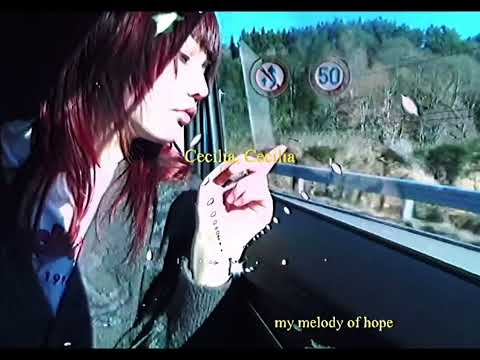
But I will always have a soft spot for ‘Cecilia’ which was written at a time I felt lost and disoriented, in myself and my music. Through that first track I put out for this album, I started to find more people who resonated with my music and that was also the beginning of my healing process, from that space to finally, acknowledgment and acceptance of issues and experiences in the past.
That being said, if I had to recommend a song to someone discovering my music for the first time, I’d probably say “I Always Knew” or “If Today Was Yesterday.” I think those songs capture different sides of my sound and songwriting quite well. One leans more into the darker, heavier shoegaze side of my music, while the other feels brighter and warmer, leaning more towards dream-pop.
TNM: If you were to compare this album to a movie (or book), which movie (or book) do you think most closely resembles this album? Why?
Shye: I think the album probably resembles ‘All About Lily Chou-Chou’ the most, both emotionally and aesthetically. I’ve actually received quite a number of comments from people saying that the music videos from this era reminded them of that film as well.
There’s something about ‘All About Lily Chou-Chou’ that feels deeply nostalgic, melancholic and dreamlike while still feeling very raw and human. The way it captures youth, loneliness, memory and emotional disconnection feels very similar to the emotional world of my album.
I’d also say there are elements of ‘Lost in Translation’ and the series ‘Twin Peaks’ within the album’s atmosphere. ‘Lost in Translation’ has this quiet emotional distance and softness that I really connect with, while ‘Twin Peaks’ balances beauty with uneasiness in a way I’ve always loved artistically. I’m very drawn to stories where emotion exists not just in dialogue, but in atmosphere, silence, lighting and texture.
In general, I think this album works well as the soundtrack to a coming-of-age film. A lot of the record is about growing older, reflecting on past versions of yourself, learning how to let go and trying to find your place in the world. Even though there’s sadness throughout the album, there’s also this quiet hopefulness underneath it all, like trying to find beauty in impermanence.
TNM: As the music industry continues to change with AI and social media’s algorithm, how do you plan to keep your music “human” and authentic?
Shye: I think what makes music human is perspective and emotion. For me, authenticity comes from being honest in the music rather than trying to chase trends or algorithms. I still love imperfections in recordings like little background noises or even very minor mistakes in the instruments/vocals. Those things make music feel alive to me.
Social media can sometimes pressure artists to constantly optimise themselves for attention, but I try to remind myself that meaningful art usually comes from sincerity, not strategy.
AI is inevitable at this point and honestly I don’t think moping around and unfortunately, complaining about it isn’t going to change the influence it has on the industry. All we can do is stay focused on the art itself and make sure what we create is genuine. At the end of the day, nobody else has lived your exact life or experienced emotions in the exact same way you have. That human perspective is something irreplaceable.
I think the human touch is still the most meaningful thing we can bring into the world through art. The imperfections, emotions, memories and experiences behind music are what make people truly connect to it. Even in an era where algorithms and AI are becoming more present, I still believe sincerity is something audiences can feel and AI can never be trained in that aspect.

TNM: Where do you see “Shye” five years from now, both musically and in terms of the impact you want to create?
Shye: I hope I continue evolving without losing the emotional core of what I do. I also hope I can continue showing younger artists that you don’t need to wait for permission to create. I started making music alone in my bedroom and a lot of what I learned came through curiosity and experimentation. If my journey can encourage someone else to believe their art matters too, that would mean a lot to me.
TNM: What is the best piece of advice you have ever received about being an artist?
Shye: This technically wasn’t advice but it was something someone said to me very early on in my career that ended up really shaping the way I think. I was making a decision at the time and they told me: “don’t miss the boat.”
At first, that comment made me feel pressured. When you’re young and surrounded by people who have far more experience in the industry than you, it’s very easy to feel like other people should make decisions for you, or that they somehow know better than you do about your own life and career. But over time, that moment taught me something completely different.
It taught me that you need to stand up for yourself and trust your instincts. You can listen to advice from others, but you can’t rely on the people around you to always know what’s right for you personally. You need to know what you stand for as an artist, what message you want to share with the world, and what kind of identity you want to build for yourself.
It also taught me the importance of being patient. I don’t think artists should immediately grab the very first opportunity that appears in front of them out of fear. It shouldn’t just become a numbers game. If you work hard, stay genuine and continue developing your craft, the right opportunities and rewards will come naturally over time. I think it’s important to constantly remember why you started making art in the first place.
Ironically, being told “don’t miss the boat” made me realise that there really is no such thing as missing the boat. If something is truly meant for you, it will happen in the way it’s supposed to. And if you ever feel like you have to go against your gut feeling just to say yes to something, then something is probably very wrong.
Don’t sell your soul. Your art and your humanity are worth so much more than that.
TNM: What message would you like to share with your Thai fans and new listeners who might be discovering “Shye” for the first time?
Shye: Thank you so much for listening and giving my music a place in your life. It always means a lot to me when songs travel across borders and connect with people emotionally, even if we come from different places or backgrounds.
I hope The Doves Came Home can feel like a safe space for anyone who’s learning how to let go, heal, grow older, or find their way back to themselves. And to anyone discovering my music for the first time, welcome home 🙂
